
Decoding Marijuana Detox: Myths and Realities
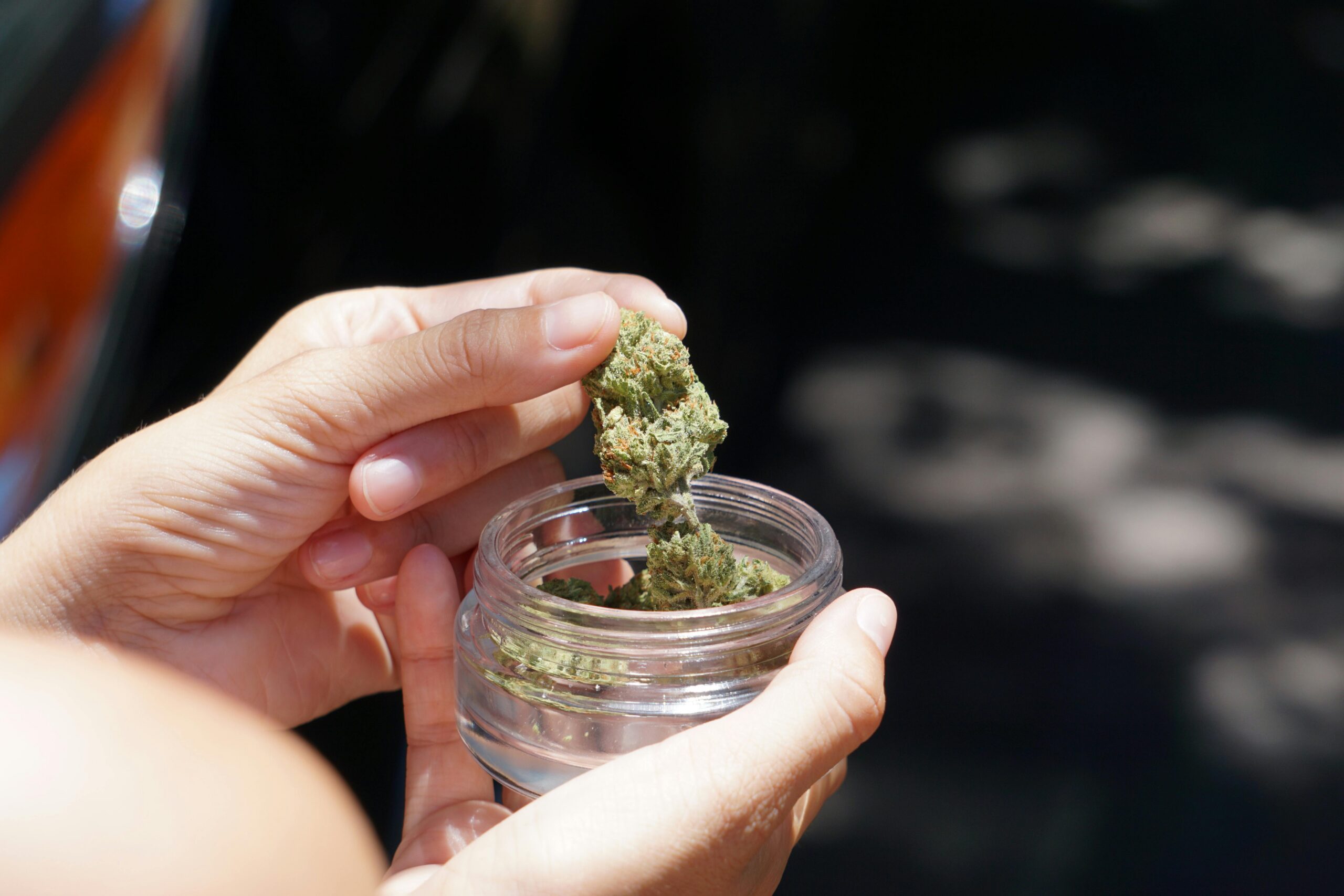
As marijuana becomes legalized and destigmatized, use is rising across age groups. However, problematic usage patterns still occur. Discontinuing chronic marijuana use induces a distinct withdrawal syndrome. Navigating “weed detox” requires insight into the nuanced timeline and symptoms unique to cannabis. With realistic expectations and support, the clouds of addiction can give way to clearer skies.
What Does Detoxing From Marijuana Involve?
Detoxification represents the process the body undergoes to metabolize and excrete addictive or abused substances. For chronic marijuana users, detox allows the body to eliminate accumulated THC and associated toxins while managing withdrawal symptoms.
Understanding detox duration and effects is crucial for those seeking sobriety. While deeply unpleasant, marijuana detox symptoms are generally not medically dangerous, as with alcohol or benzodiazepines. Natural detoxification over 2-6 weeks is usually adequate for most.
How Long THC Stays in Your System
Casual marijuana use results in THC detection in blood for about 3 days. However, chronic heavy use causes THC and its metabolites to accumulate in fat cells, slowly released over weeks to months after quitting.
For heavy users, THC may still be detected in urine tests 3-4 weeks after cessation. Hair tests can detect occasional use for months. However, presence of metabolites does not necessarily indicate impairment or high risk of relapse.
Variables that Impact Marijuana Detox Duration
Several factors affect how quickly weed is eliminated from the body. People with higher body fat store more THC, prolonging clearance. Faster metabolism generally equates to quicker detox. Heavy daily marijuana users take longer to detox than occasional users. Highly potent weed also lengthens the process.
Staying hydrated dilutes metabolites in urine. Eating cleansing foods aids detoxifying organs like the liver. Light exercise mobilizes fat storage and boosts metabolism. Overall, expect marijuana detox to span 2-6+ weeks depending on individual chemistry and usage patterns.
Phases of the Weed Detox Process
Marijuana detox occurs in general phases:
Initial flush of THC from bloodstream in first 72 hours, causing anxiety, headache, irritability.
Metabolic processing over days 3-10, removing lingering THC from fat cells, inducing fatigue, nausea and sleep issues.
Extended phase lasting 2-6+ weeks for heavy users as THC fully clears, causing psychological symptoms like moodiness and cravings.
Post-detox phase with potential PAWS (post-acute withdrawal symptoms) bringing intermittent psychological symptoms.
Symptoms of Marijuana Withdrawal
Marijuana withdrawal causes primarily emotional and mental symptoms, less severe physiological effects characteristic of alcohol, opioids, or benzodiazepines. However, the psychological impact can still deeply disrupt functioning.
Common cannabis detox symptoms include anxiety, depression, sleep disturbances, decreased appetite, irritability, cravings, restlessness, and headaches. Mood swings, stomach upset, sweating, chills and fatigue may also occur. Symptoms peak within the first week then slowly improve over a month or longer.
Natural Detox Strategies for Weed
While not universally proven, several natural modalities may support marijuana detox. Drinking adequate water prevents dehydration and flushes the urinary system. Light aerobic exercise mobilizes fat cells releasing THC while boosting mood. Eating cleansing greens and antioxidant-rich foods supports the liver’s efforts. Some use herbal blends or supplements containing milk thistle or green tea to aid detox organs. Intermittent sweating through sauna use or heat therapy potentially clears some toxins. Overall, complementary methods help ease the process when combined with lifestyle adjustments.
The Role of Medical Programs and Pharmacotherapy
No medications are FDA-approved specifically to treat cannabis withdrawal. However, standard detox facilities provide medical monitoring of vitals along with medications that may help symptoms like anxiety, nausea, diarrhea, and insomnia during the acute phase. Counseling and peer support are key components as well.
The cannabis detox debate centers around whether the significant expense of structured detox is justified for a relatively moderate withdrawal syndrome. For those with complicating health issues or past trauma, medical programs offer more intensive support. Outpatient programs also blend medical care with real-world recovery skills.
Interpreting Drug Test Results
Understanding marijuana detox timeframes helps interpret drug screening results. Urine tests detect recent use up to 3-4 weeks out but do not confirm active impairment. Hair testing reveals patterns of use over months but does not pinpoint timing.
Saliva testing can identify very recent use within hours, useful for roadside sobriety checks. Oral fluid levels drop below detection in 1-3 days after last use. No matter the test results, the path ahead remains focused on forging newfound health, not hashing over past usage.
Voices of Experience on the Journey
Recovering user Amanda shares: “The first week of marijuana detox was very emotional and difficult. But self-care, prayer, and taking it one day at a time ultimately broke weed’s hold on my happiness.”
James reflects: “Detox was just the beginning. The bigger challenge was reconstructing my life, friendships, and time around meaningful activities beyond getting high. Recovery is a lifelong process.”
These courageous accounts remind us that we are not defined or limited by our lowest points. With determination and support, the clouds of addiction can slowly dissipate, giving way to clearest skies where our untapped potential shines bright.
Beyond Detox: Building Lasting Freedom with Oasis Treatment Centers
Completing a physical marijuana detox is a significant first step, but clearing THC from your system is only the beginning of the journey. Because modern cannabis features unprecedented potencies, the lingering psychological fog, sleep disruptions, and emotional baseline shifts often persist long after the chemical leaves your body. Achieving permanent sobriety requires a clinical framework that moves beyond basic detox to treat the whole person, unpacking the underlying emotional or behavioral drivers that triggered chronic substance use in the first place.
If you are ready to transition past the early phases of withdrawal and build a structured, healthy life in recovery, Oasis Treatment Centers is here to support you. Located in Costa Mesa, our premier outpatient facility bridges the gap between detox and true lifestyle transformation through specialized, highly flexible programs that fit into your daily life. We offer a full continuum of outpatient care designed for working professionals, students, and parents, including:
- Partial Hospitalization Program (PHP): Intensive, structured daytime clinical care and dual diagnosis treatment while allowing you to return to the comfort of your own home each evening.
- Intensive Outpatient Program (IOP) & Evening IOP: Flexible, sophisticated therapeutic tracks scheduled intentionally around your professional career, university courses, and active family commitments.
- Dual Diagnosis Care: Specialized treatment utilizing evidence-based psychotherapies like Cognitive Behavioral Therapy (CBT) and Dialectical Behavior Therapy (DBT) to address co-occurring anxiety, depression, or stress alongside substance use.
You do not have to navigate the emotional complexities of long-term recovery alone or pause your entire life to heal. At Oasis Treatment Centers, we provide the safety, flexibility, and real-world tools you need to clear the mental fog, establish healthy coping mechanisms, and take full control of your future.
Take the next step in your recovery journey today. Contact the admissions specialists at Oasis Treatment Centers for a 100% confidential professional consultation, or verify your commercial PPO insurance benefits online to explore your outpatient care options.