About Biofeedback Therapy
When you raise your hand to wave or move your legs to walk, these are controlled movements. Other movements, however, are involuntary, such as the beating of your heart, breathing and body temperature. You don’t have to think about these functions to make them happen because they automatically happen in reaction to your surrounding environment. The nervous system controls these functions.
Biofeedback therapy is used to help you gain control over involuntary functions. It is useful in treating a variety of conditions, including high blood pressure, pain, migraines, incontinence, and addiction. Biofeedback therapy operates on the principle that you can harness the power of your mind and become aware of what’s happening within your body to gain more control over your health. Therefore, biofeedback therapy for addicts can be very effective in treating their addiction.
Biofeedback therapy is a very effective treatment for addiction recovery. This is because when someone discontinues drug use, they experience withdrawal symptoms which create physical stress and heighten involuntary responses. People who are suffering from withdrawal often experience depression, anxiety, restlessness and chronic muscle pain which are the very conditions that are effectively treated with biofeedback therapy.
If you or someone you know is suffering from addiction, it is important that you know your options for treatment for addiction recovery. Biofeedback therapy for addicts is a drug-free method of controlling the body in reaction to your surroundings. You will be able to effectively reduce your stress levels and cope with withdrawal symptoms. The anxiety and negative emotions will be less intense once you use biofeedback therapy treatment for addiction recovery, leading to a positive outcome.
How Biofeedback Therapy Works
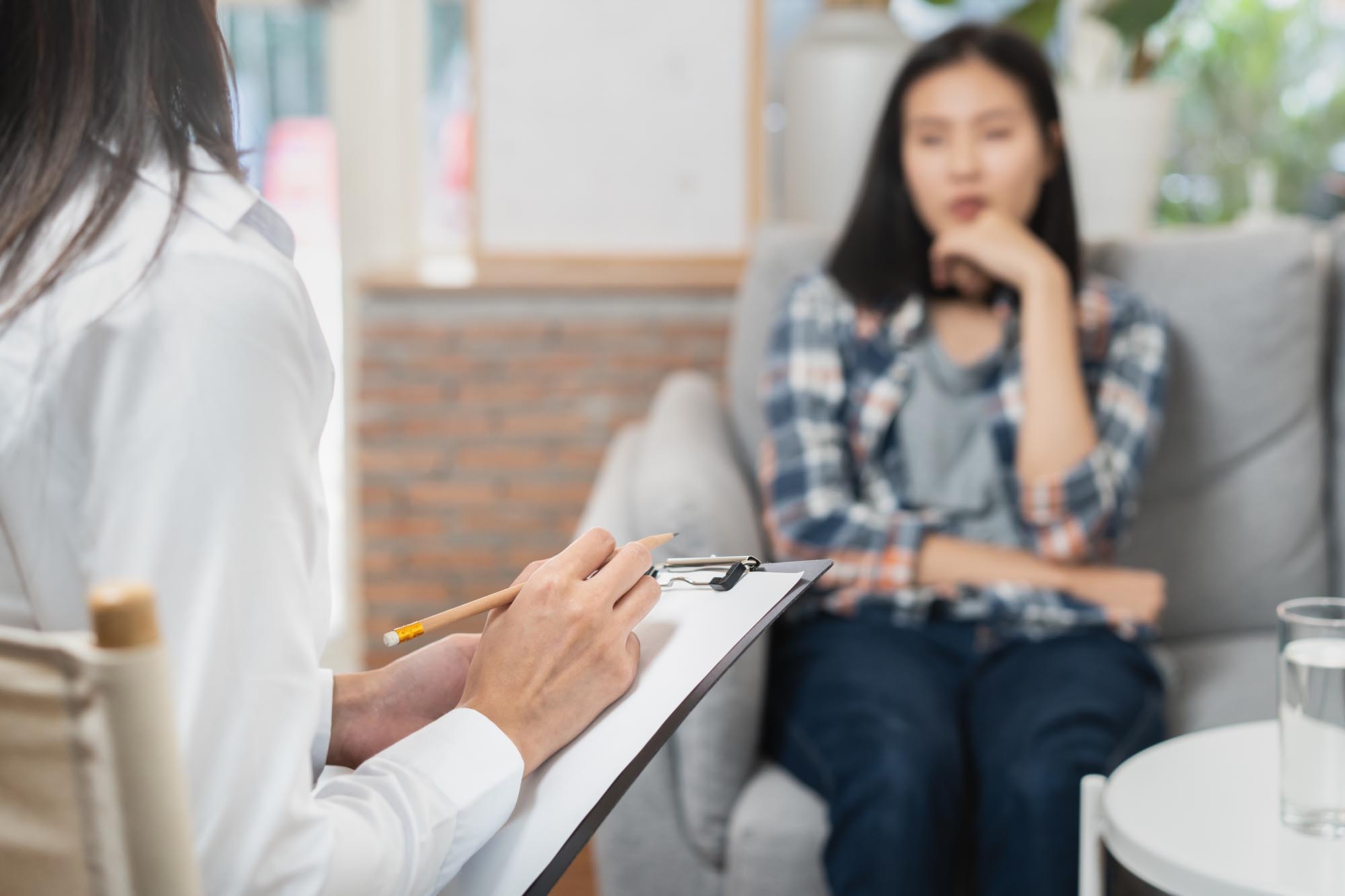
What is understood about how biofeedback therapy works are that it promotes relaxation which is effective in treating a number of conditions and improving health. If you are receiving biofeedback therapy treatment for addiction recovery, you can expect the following during a biofeedback therapy session:
- Electrodes will be attached to your skin
- A monitor which is attached to the electrodes will display your heart rate, blood pressure, temperature, breathing rate and sweating and muscle activity
- Stress responses will be displayed on the monitor and provide you with immediate feedback
- Your biofeedback therapist will help you practice relaxation techniques which you will refine and use to control body functions
Biofeedback therapy is a viable treatment for addiction recovery. Those suffering from addiction also suffer from stress. Biofeedback therapy for addicts can help the addict to control stress levels by practicing relaxation techniques which include:
- Deep breathing – You breathe in fresh air and positive thoughts and exhale to release negative energy
- Progressive muscle relaxation – An effective biofeedback therapy for addicts which allows them to focus on releasing tension in overly tight muscles one muscle group at a time
- Guided imagery to focus the mind – Directing the mind towards soothing and positive images to relax the mind and body
- Mindfulness meditation – Promotes peacefulness by allowing you to release negative thoughts and emotions
These relaxation techniques are an effective treatment for addiction recovery. They help you refocus your thoughts and relax.
Types of Biofeedback
Biofeedback is used to measure different bodily functions to provide useful feedback about each function. During your biofeedback session, your therapist will use the following biofeedback to monitor certain body functions:
- Electromyogram (EMG): Muscle activity and tension are measured. This biofeedback is useful in treating headaches, anxiety, back pain, muscle retraining after an injury and incontinence. It is also useful in treating addiction.
- Thermal: Skin temperature is measured. It is effective in treating headache and Raynaud’s disease.
- Electroencephalography (EEG): These measures brain waves. It can effectively treat attention deficit hyperactivity disorder (ADHD) and epilepsy.
- Electrodermal Activity (EDA): Sweating activity is measured and this treatment can be useful for treating pain and anxiety.
- Heart Rate Variability (HRA): The heart rate is measured. It can effectively treat a variety of conditions, including irregular heartbeat, anxiety, chronic obstructive pulmonary disease (COPD) and asthma.
You can expect each biofeedback therapy session to last for 30 minutes. You will start to notice the benefits from the biofeedback sessions within about 10 sessions. However, some conditions, such as high blood pressure, can take 20 or more sessions before you see improvement.
Finding Lasting Balance with Oasis Treatment Centers
While specialized modalities like biofeedback therapy highlight the incredible connection between the mind and body during recovery, gaining control over your physical nervous system is just one piece of a much larger puzzle. Managing the involuntary physical stress of early withdrawal is essential, but achieving true, long-term sobriety requires a comprehensive clinical framework that addresses the behavioral, psychological, and lifestyle habits that sustain dependency. Rebuilding a fulfilling life free from substance use means learning how to handle real-world triggers, mend strained relationships, and naturally regulate your stress levels on a daily basis.
If you are ready to transition past early physical stabilization and dive into the deeper work of sustainable healing, Oasis Treatment Centers is here to guide you forward. Located in Costa Mesa, our premier facility specializes in sophisticated, evidence-based outpatient addiction treatment and dual diagnosis care designed to fit seamlessly into your life. We meet clients exactly where they are by offering flexible levels of care that allow you to maintain your career, education, and family responsibilities while actively healing:
- Partial Hospitalization Program (PHP): Intensive, structured daytime therapy and medical oversight that provides elite clinical immersion while allowing you to return to the comfort of your own home at night.
- Intensive Outpatient Program (IOP) & Evening IOP: Highly individualized clinical tracks scheduled intentionally around working professionals and students to ensure your recovery is both realistic and attainable.
- Comprehensive Dual Diagnosis Treatment: Simultaneous care utilizing advanced psychotherapies like Cognitive Behavioral Therapy (CBT) and Dialectical Behavior Therapy (DBT) to isolate and treat underlying depression, trauma, or chronic anxiety alongside substance use.
You do not have to put your entire life on pause or navigate the emotional hurdles of recovery alone. At Oasis Treatment Centers, we provide the safety, flexibility, and real-world coping mechanisms you need to step out of a hyper-vigilant survival loop and claim your future.