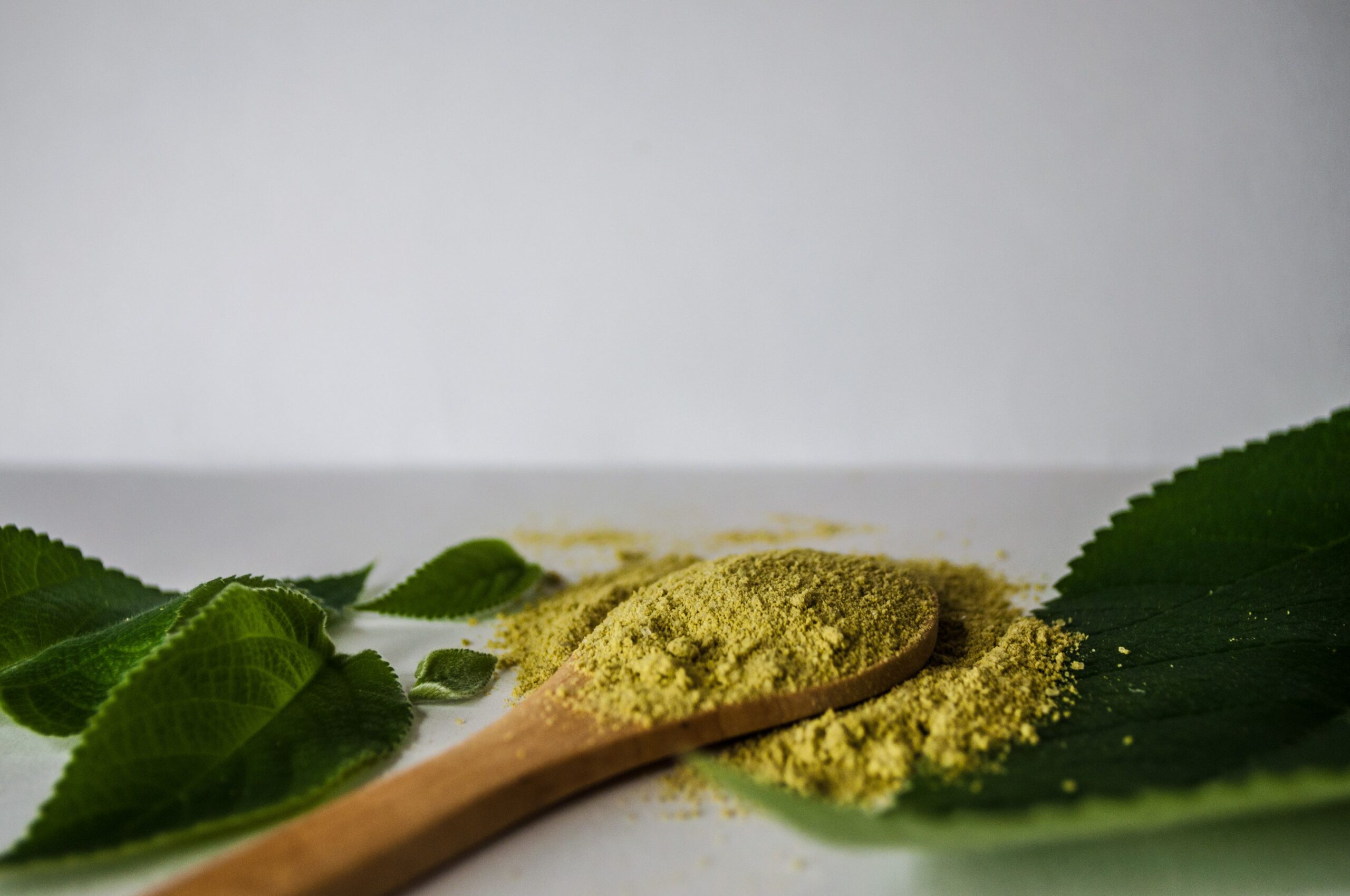
In recent years, kratom has gained widespread popularity across Southern California and the country. Derived from the leaves of the Mitragyna Speciosa tree native to Southeast Asia, kratom is frequently sold in smoke shops, gas stations, and online storefronts. It is often marketed as a natural herbal supplement for energy, pain relief, focus, or anxiety management.
Because it is plant-based and easily accessible, many people assume kratom is harmless. However, modern addiction medicine reveals that chronic kratom use can lead to severe physical dependence and psychological addiction.
Many individuals begin taking kratom casually, only to discover months later that they cannot get through their workday, manage stress, or fall asleep without taking a dose. If you find yourself wondering whether you have become addicted to kratom, you are not alone.
Understanding how kratom affects the brain, recognizing why so many people become addicted to kratom, and exploring structured outpatient recovery options in Orange County are the first steps toward reclaiming your health.
How Does Kratom Affect the Brain and Body?
To understand how kratom addiction develops, it is essential to look at how its active chemical compounds interact with your central nervous system.
Kratom leaves contain active alkaloids, primarily mitragynine and 7-hydroxymitragynine. These compounds bind directly to the mu-opioid receptors in the human brain—the exact same receptors targeted by traditional opioid pain medications.
- At Low Doses: Kratom acts as a stimulant, increasing alertness, sociability, and physical energy.
- At Higher Doses: Kratom acts as a sedative, producing pain relief, physical relaxation, and a feeling of euphoria.
With regular use, the brain rapidly adapts to the presence of these alkaloids. Over time, your natural production of mood-regulating neurotransmitters slows down, leading to tolerance. Tolerance means you require increasingly higher amounts of kratom—or concentrated liquid extract shots—to achieve the same effects you once experienced from a simple powder or tea.
You May Also Enjoy: How Long is PHP Treatment? What to Expect in an Orange County Program
What Is the Difference Between Kratom Tolerance, Dependence, and Addiction?
When evaluating your relationship with kratom, it helps to understand three distinct clinical stages:
1. Physical Tolerance
Tolerance occurs when your body grows accustomed to kratom over time. A dose that once provided energy or pain relief no longer seems effective, prompting you to take higher doses or use kratom more frequently throughout the day.
2. Physical Dependence
Dependence means your central nervous system has adapted to kratom and now requires it to maintain baseline physiological function. If you go several hours without a dose, your body enters withdrawal, triggering flu-like symptoms, extreme restlessness, and panic.
3. Psychological Addiction
Addiction occurs when physical dependence is accompanied by compulsive behavior. You continue buying and consuming kratom despite severe negative consequences in your personal life—such as financial distress, declining work performance, strained relationships, or hiding your habit from loved ones.
What Are the Physical Signs of Being Addicted to Kratom?
Physical warning signs are often the first visible indicators that kratom use has escalated beyond control. Common physical symptoms include:
- Onset of Withdrawal Symptoms: Experiencing muscle aches, runny nose, chills, cold sweats, nausea, severe diarrhea, and intense restless leg syndrome (RLS) within 6 to 12 hours after your last dose.
- Escalating Dose Requirements: Moving from raw leaf powder or capsules to high-potency liquid extract shots or concentrated 7-OH products.
- Chronic Sleep Disruption: Waking up in the middle of the night experiencing severe restlessness or cold sweats because your body is going into early kratom withdrawal.
- Physical Side Effects of Heavy Use: Experiencing chronic constipation, unexplained weight loss, skin hyperpigmentation (darkening of the skin), frequent nausea, or hair thinning.
What Are the Behavioral and Financial Signs of Kratom Dependence?
Kratom addiction rarely stays hidden indefinitely. Over time, compulsive use alters daily habits, finances, and personal priorities.
Compulsive Spending and Financial Strain
Liquid kratom extract shots and concentrated capsules are expensive. Many individuals who start spending $10 a day on basic powder find themselves spending $50 to $100 or more every single day on liquid extracts. Spending hundreds or thousands of dollars a month on kratom often leads to depleted savings, credit card debt, or difficulty paying basic bills.
Secrecy and Hiding Your Habit
If you find yourself stashing kratom powder, empty extract bottles, or capsules in your car, desk drawers, gym bag, or bathroom to prevent family members, partners, or employers from seeing them, this behavioral pattern strongly indicates an active addiction.
Failed Attempts to Quit or Taper
Many people struggling with kratom repeatedly promise themselves that they will cut back, taper their daily dose, or quit entirely on Monday. However, when the intense physical discomfort, anxiety, and cravings of withdrawal set in, they find themselves returning to the smoke shop to find relief.
What Are the Emotional and Psychological Warning Signs?
While kratom is often used to manage stress or elevate mood, chronic dependence ultimately destabilizes emotional regulation.
- Rebound Anxiety and Depression: Using kratom to manage social anxiety or low mood often backfires. As the drug wears off, baseline anxiety and depressive thoughts return with heightened intensity.
- Anhedonia: Feeling completely unable to experience joy, motivation, or emotional connection unless you have taken a dose of kratom.
- “Kratom Rage” and Irritability: Experiencing sudden, uncharacteristic outbursts of anger, agitation, or extreme frustration when a dose is delayed or wears off.
- Cognitive Fog: Struggling with memory retention, mental fatigue, or difficulty focusing on complex tasks at work or school.
Self-Assessment: Am I Addicted to Kratom?
If you are unsure whether your kratom use requires professional support, ask yourself the following five questions:
- Do you experience physical flu-like symptoms, severe restless legs, or intense anxiety when you go more than a few hours without taking kratom?
- Have you switched from raw powder to concentrated liquid extract shots because your original dose no longer works?
- Have you tried to quit or cut down on your own and failed due to overwhelming physical discomfort or cravings?
- Is buying kratom causing financial stress, debt, or secrecy in your personal relationships?
- Do you feel like you need kratom just to feel “normal,” get out of bed, or function during your workday?
If you answered “yes” to two or more of these questions, your body and mind may be experiencing kratom dependence, and professional treatment can help you break the cycle safely.
How Outpatient Treatment at Oasis Treatment Centers Helps You Recover
Overcoming kratom addiction does not mean you have to put your entire career, family life, or daily obligations on hold. At Oasis Treatment Centers in Costa Mesa, California, we offer comprehensive, evidence-based outpatient programs designed to help you safely detox if you are addicted to kratom and address the underlying drivers of addiction.
Serving adults throughout Orange County, including Newport Beach, Huntington Beach, Irvine, Santa Ana, Fountain Valley, and Tustin—our accredited facility provides structured care tailored to your unique needs.
Flexible Outpatient Levels of Care
- Partial Hospitalization Program (PHP): A full-day, highly structured day-treatment program that provides daily clinical supervision, group therapy, and individual counseling while allowing you to return home or to a local sober living residence each evening.
- Intensive Outpatient Program (IOP): A flexible, multi-day weekly schedule that allows you to receive high-level clinical support while continuing to work, attend school, or manage family responsibilities.
Dual Diagnosis and Whole-Person Healing
Many individuals use kratom to self-medicate underlying anxiety, depression, trauma, or burnout. At Oasis Treatment Centers, our clinical team provides integrated dual diagnosis care, combining Cognitive Behavioral Therapy (CBT), Dialectical Behavior Therapy (DBT), Eye Movement Desensitization and Reprocessing (EMDR), and holistic wellness practices.
From mindfulness and nutrition guidance to structured Friday community outings, we help you rebuild natural dopamine levels and discover a vibrant, sober lifestyle in Southern California.
Take the First Step Toward Recovery Today
Continuing to rely on kratom just to get through the day is physically exhausting and emotionally draining. You do not have to navigate withdrawal or cravings on your own.
Contact the compassionate admissions team at Oasis Treatment Centers today at (949) 942-8477 or visit us online to verify your insurance benefits and schedule a confidential clinical assessment in Costa Mesa, CA.
Frequently Asked Questions (FAQ)
How do I know if I am addicted to kratom or just physically dependent on it?
Physical dependence means your body experiences withdrawal symptoms like muscle aches, chills, and restlessness when you stop taking kratom. You are addicted to kratom when that physical dependence is accompanied by compulsive, uncontrollable behaviors—such as continuing to use despite severe financial strain, hiding your use from loved ones, neglecting daily responsibilities, or failing repeated attempts to quit on your own.
What are the main symptoms of kratom withdrawal?
Kratom withdrawal symptoms closely resemble opioid withdrawal. Common symptoms include severe restless leg syndrome (RLS), muscle cramping, cold sweats, runny nose, severe diarrhea, intense insomnia, acute anxiety, and overwhelming cravings for a dose.
Can I attend kratom addiction rehab while continuing to work or go to school?
Yes. Structured outpatient options like the Intensive Outpatient Program (IOP) at Oasis Treatment Centers in Costa Mesa allow you to attend clinical therapy sessions during the day or evening while maintaining your daily career and family commitments.
Does health insurance cover treatment for kratom addiction in California?
Most commercial health insurance plans cover outpatient addiction treatment and dual diagnosis care under behavioral health benefits. The admissions team at Oasis Treatment Centers offers free, confidential insurance benefit verifications to explain your coverage and minimize out-of-pocket expenses.
Why is it so hard to quit liquid kratom extract shots on my own?
Liquid kratom extract shots contain highly concentrated doses of active alkaloids, making them significantly more potent than traditional leaf powder. Quitting concentrated extracts cold-turkey causes rapid, severe withdrawal symptoms and intense cravings, which often lead to relapse without professional clinical support and structured coping strategies.
You May Also Enjoy: 4 Holistic Treatment Modalities for Addiction to Consider in Orange County