One of the biggest reasons people delay addiction treatment is the fear that rehab will force them to completely step away from their lives. Many individuals struggling with substance use worry about missing work, falling behind in school, losing income, abandoning parenting duties, or disrupting their daily routine. As a result, countless people continue battling addiction alone because they believe getting help requires checking into a residential hospital for months and putting their entire life on pause.
The reality is that modern addiction care offers powerful, highly structured outpatient options. You do not always need to check into a 24/7 residential facility to receive top-tier medical and clinical support.
At Oasis Treatment Centers in Costa Mesa, California, we help individuals throughout Orange County access intensive, structured outpatient treatment. While our program requires a dedicated full-time daytime commitment during early recovery, it allows clients to return home or to a supportive sober living environment each evening—enabling you to stay connected to your life, family, and long-term recovery goals without an overnight hospital stay.
Do You Have to Leave Everything Behind to Go to Rehab?
When many people think of rehab, they picture a long-term residential facility where clients live onsite for weeks or months with limited contact with the outside world. While 24/7 inpatient residential rehab is necessary for individuals facing acute medical crises or severe withdrawal risks, it is not the only path to long-term recovery.
Daytime outpatient care provides the exact same clinical depth, individual therapy, and psychiatric oversight as residential facilities, but with a crucial difference: you go home at night.
Depending on your clinical needs and personal stability, structured daytime treatment allows you to:
- Receive intensive, daily therapeutic care during peak daytime hours
- Return to your family, children, or supportive home environment every evening
- Maintain connection to your personal support network
- Avoid the disruption, costs, and isolation of overnight hospital stays
- Practice new real-world coping skills in real time each evening
For many people struggling with addiction, outpatient treatment creates a healthier balance between recovery and real-world responsibilities.
What Is Outpatient Addiction Treatment?
Outpatient rehab is a form of clinical addiction care that allows individuals to attend structured therapy and medical programming during the day while continuing to live at home or in a recovery residence.
Comprehensive outpatient care includes:
- Individual psychotherapy and specialized trauma counseling
- Clinician-led group therapy and psychoeducation
- Relapse prevention and trigger management planning
- Psychiatric evaluation and ongoing medication management
- Dual diagnosis treatment for co-occurring anxiety, depression, or PTSD
- Family counseling and relational repair
- Holistic wellness practices and life skills training
At Oasis Treatment Centers, our continuum of care centers on two primary outpatient levels:
- Partial Hospitalization Program (PHP): Our foundational, full-day program for early recovery and stabilization.
- Intensive Outpatient Program (IOP): A step-down level of care for clients who have completed their initial PHP foundation.
You May Also Enjoy: Rehab for Parents: Getting Hopeful Help While Raising Kids
Why Early Recovery Requires Full-Time Immersion: Our 60-Day PHP Focus
When looking for outpatient options, many working professionals, parents, or students look for “low-impact” or part-time schedules—such as attending an hour or two of therapy in the evening—hoping to fit rehab around a busy work schedule.
However, attempting to recover from an active addiction or co-occurring mental health disorder while remaining fully immersed in daily work stress often leads to rapid relapse. Part-time therapy simply cannot provide the clinical structure needed to halt compulsive substance use and rewire brain chemistry.
Important Admission Policy: At Oasis Treatment Centers, we do not offer evening IOP programs, nor do we admit clients seeking half-day schedules or part-time care at intake.
To achieve sustainable recovery, early stabilization requires complete dedication. The core of our care centers on a 60-day Partial Hospitalization Program (PHP), requiring 6.5 hours of daily clinical attendance, 5 days a week. By dedicating your daytime hours entirely to treatment for the first 60 days, you give your mind and body the immersive space required to heal, without having to move into an overnight residential facility.
What Treatment Includes in Oasis’s Costa Mesa PHP

Operating 5 days a week from morning through afternoon, our 6.5-hour daily PHP schedule provides a predictable, restorative structure. Under the leadership of Clinical Director Cindy Connelly, LMFT, our curriculum incorporates evidence-based modalities and SAMHSA Trauma-Informed Care standards:
- Cognitive Behavioral Therapy (CBT): Identifies and restructures negative thought patterns and behavioral triggers.
- Dialectical Behavior Therapy (DBT): Teaches practical skills for mindfulness, emotional regulation, and distress tolerance.
- Eye Movement Desensitization and Reprocessing (EMDR): Processes deep-seated trauma and Complex PTSD under expert clinical guidance.
- Psychiatric Evaluation & Medication Management: Provides medical oversight to stabilize mood, sleep, and anxiety during recovery.
- Experiential & Holistic Modalities: Gym workouts, recreational therapy, outdoor outings, and art/music therapy to promote mind-body healing.
Who Is a Good Fit for Our Outpatient PHP?
Outpatient addiction treatment is ideal for individuals who need high-level professional support but do not require 24/7 medical monitoring in a locked residential facility.
You may be a good fit for our 60-day PHP if you:
- Have a safe, stable home environment or supportive sober living residence for evenings
- Are medically stable and do not require 24/7 emergency detox oversight
- Can commit your daytime hours (6.5 hours/day, 5 days/week) to an intensive recovery foundation
- Have family or parenting responsibilities that make overnight stays difficult
- Are motivated to actively participate in daily individual and group therapy
- Are stepping down from an inpatient detox facility and need high-level structure
Note: Individuals with acute physical withdrawal risks, severe unmanaged medical crises, or unstable/triggering living environments may still require medical detox or inpatient care before transitioning into our PHP.
Step-Down Care: Intensive Outpatient Program (IOP)

You May Also Enjoy: 5 Signs You Need Dual Diagnosis Treatment in Orange County
Step-Down Care: Intensive Outpatient Program (IOP)
Once a client has successfully completed their foundational 60-day PHP, our clinical team creates a personalized continuing care plan. Our Intensive Outpatient Program (IOP) serves as a structured step-down level of care.
In IOP, clients transition to fewer weekly treatment hours while continuing to receive:
- Ongoing group and individual therapy
- Relapse prevention and life skills support
- Case management and career/education reintegration guidance
- Continuous psychiatric oversight and accountability
This gradual step-down approach ensures you are never suddenly left without clinical support as you transition back into managing full-time work, school, or family obligations.
Why Dual Diagnosis Treatment Matters
Many people struggling with addiction are also dealing with untreated mental health conditions like generalized anxiety, depression, Complex PTSD, or burnout. Using alcohol or drugs is frequently an attempt to self-medicate this internal emotional pain.
When mental health issues go untreated, addiction recovery becomes significantly more difficult, often leading to rapid relapse. At Oasis Treatment Centers, dual diagnosis care is integrated directly into our 60-day PHP schedule. By treating addiction and co-occurring mental health conditions simultaneously, you heal the root drivers of substance use rather than just suppressing the physical symptoms.
Key Takeaways
- No Overnight Hospital Stay Required: You can receive high-level, residential-grade addiction care through structured outpatient PHP without living in a hospital facility.
- Full-Day Commitment Is Essential: Early recovery cannot be achieved through part-time or evening care alone. Oasis requires a full-time commitment of 6.5 hours a day, 5 days a week.
- The 60-Day Foundation: The primary entry point at Oasis is an intensive 60-day PHP designed to achieve deep neurochemical and emotional stabilization.
- Step-Down Continuity: After completing 60 days of PHP, clients step down to IOP to safely reintegrate into work, school, and daily life.
- Integrated Dual Diagnosis Care: Led by Cindy Connelly, LMFT, our Costa Mesa program utilizes CBT, DBT, EMDR, and psychiatric support under SAMHSA Trauma-Informed Care guidelines.
Take the First Step Toward Recovery Today
Seeking help for addiction does not mean giving up your identity or disappearing from your life forever. It means stepping into a structured, supportive environment so you can learn how to show up for your life in a healthier, more sustainable way.
If you are ready to break the cycle of addiction without checking into an overnight residential facility, Oasis Treatment Centers is here to support you. Located in Costa Mesa and serving communities across Orange County, our expert team provides the high-structure, full-day PHP care you need to rebuild your future.
Contact our Orange County admissions team today or verify your insurance online to learn more about entering our 60-day Partial Hospitalization Program.
Frequently Asked Questions About Flexible Rehab Programs
Can I attend rehab while keeping my home life intact?
Yes. Our Partial Hospitalization Program (PHP) allows you to receive 6.5 hours of intensive clinical care during the day, 5 days a week, while returning home or to a sober living environment every evening.
What is the difference between inpatient rehab and PHP?
Inpatient rehab requires clients to live inside a residential hospital facility 24/7. PHP offers the exact same daily clinical depth, individual therapy, and psychiatric oversight—6.5 hours per day, 5 days a week—without requiring you to sleep at the facility overnight.
Does Oasis Treatment Centers offer Evening IOP or part-time schedules at intake?
No. We do not offer evening IOP programs, nor do we admit clients looking for part-time or half-day schedules at intake. Early stabilization from substance use and co-occurring mental health disorders requires an intensive full-day commitment (6.5 hours daily) for the first 60 days.
What happens after I complete the 60-day PHP?
After completing our foundational 60-day PHP, you will step down into our Intensive Outpatient Program (IOP). This step-down phase offers reduced weekly hours so you can begin reintegrating into full-time work, school, or family life while maintaining ongoing clinical support and accountability.
Is PHP covered by commercial health insurance?
Yes. Most major commercial health insurance plans cover Partial Hospitalization Programs under mental health and substance use disorder benefits. Our admissions team can complete a free, confidential insurance verification for you in just a few minutes.
Clinically Reviewed by Cindy Connelly, LMFT & Clinical Director
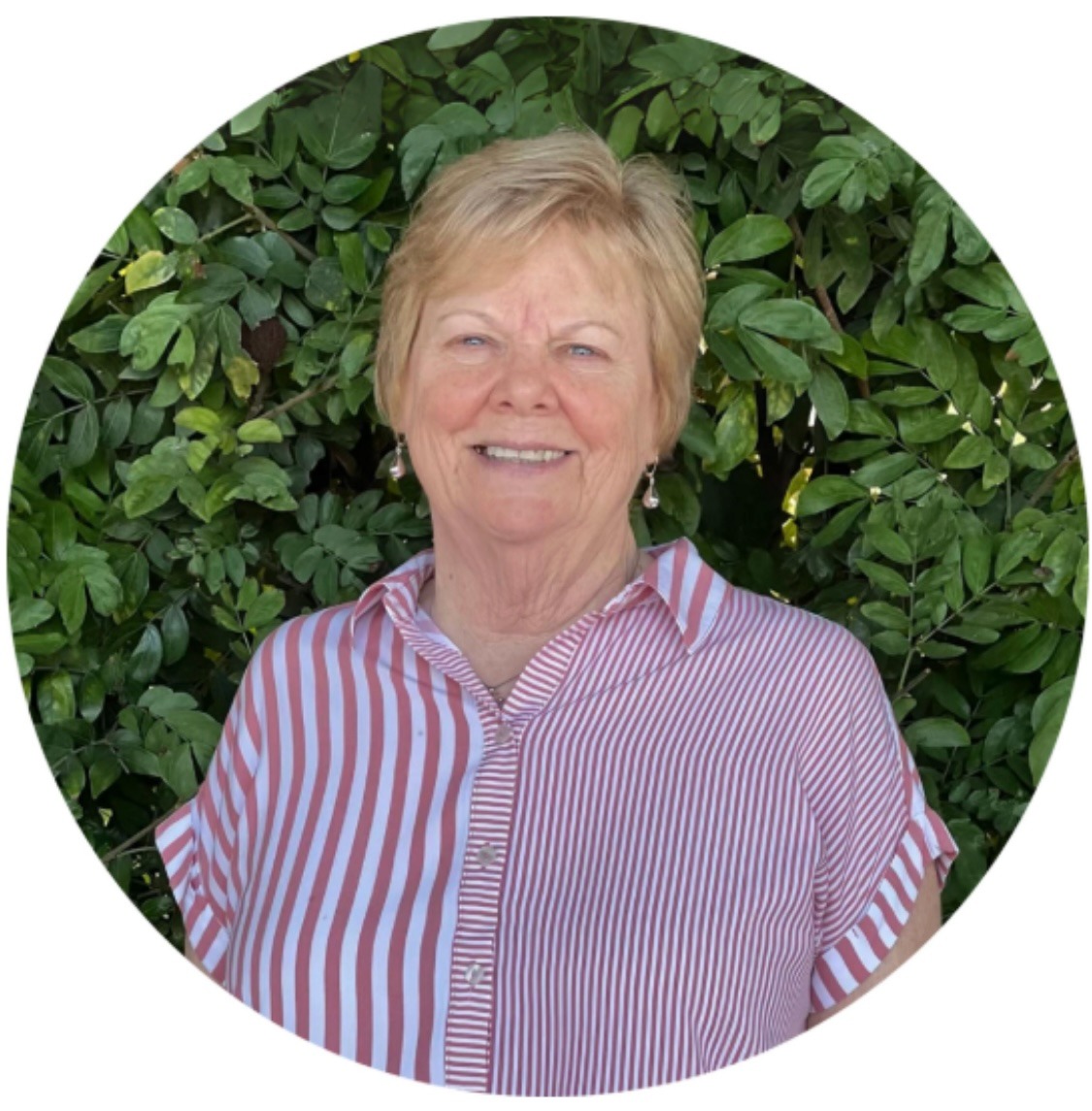
Cindy Connelly serves as the Clinical Director at Oasis Treatment Centers, bringing over two decades of dedicated clinical leadership and a sophisticated understanding of the recovery landscape to Orange County. A Licensed Marriage and Family Therapist (LMFT), Cindy’s path to clinical excellence is marked by a unique transition from a 25-year corporate career to the frontlines of mental health, a move inspired by the life-changing results of her own therapeutic journey.
At Oasis, Cindy specializes in the treatment of Complex PTSD and co-occurring disorders, ensuring that every protocol is guided by SAMHSA Trauma-Informed Care standards. With more than 15 years of membership in the International Society for Traumatic Stress Studies, she keeps Oasis at the cutting edge of trauma and addiction research. Her guiding philosophy, “Connection is the correction,” serves as the foundation for our facility’s culture. By addressing the deep-seated wounds of trauma and grief, Cindy empowers individuals to move past their coping mechanisms and into a life of self-mastery and purpose.