Outpatient addiction and mental health treatment offers individuals a vital bridge back to daily life. Programs like Partial Hospitalization (PHP) and Intensive Outpatient (IOP) allow clients to engage in evidence-based therapy while maintaining connection to their families, homes, and personal communities.
However, because outpatient care grants clients real-world autonomy outside of clinic hours, ensuring medical safety, accountability, and clinical adherence is paramount.
Modern behavioral health care has evolved far beyond basic point-of-care drug screens. Today, leading outpatient providers—such as Oasis Treatment Centers in Costa Mesa, California—rely on advanced laboratory diagnostics to guide treatment decisions. By utilizing state-of-the-art toxicology testing services provided by high-complexity laboratories like Monarch Diagnostics, clinical teams obtain the precise, objective data needed to safeguard clients, customize treatment plans, and foster long-term recovery success.
Why Is Advanced Toxicology Testing Essential in Outpatient Care?
Outpatient recovery programs are designed to help individuals build practical coping mechanisms in real-time environments. While this structure promotes independence, it also exposes clients to everyday triggers, social stressors, and potential access to illicit substances.
In an outpatient setting, toxicology testing serves as an essential clinical tool rather than a punitive measure. It establishes an objective baseline, verifies compliance with prescribed treatment protocols, and provides an early warning system if a client struggles with cravings or slip-ups.
Without accurate diagnostic testing, clinicians must rely entirely on self-reporting. While honesty is a core goal of recovery, addiction fundamentally alters brain chemistry, often bringing intense shame, denial, or fear of judgment. Routine, high-precision laboratory testing removes the burden of guesswork, creating a transparent environment where clients and clinicians can address challenges openly.
The Clinical Difference: Rapid Screens vs. Definitive Mass Spectrometry
Not all drug testing is created equal. Understanding the difference between qualitative point-of-care (POC) testing and quantitative laboratory confirmation is crucial for maintaining clinical safety.
Qualitative Point-of-Care Screens
Point-of-care testing typically involves instant urine screening cups used on-site for immediate results. These tests are qualitative, providing a basic “positive” or “negative” indication based on predefined chemical thresholds.
While instant screens are useful for initial evaluations, they have notable limitations:
- They can produce false positives due to cross-reactivity with common over-the-counter medications, anti-depressants, or prescription drugs.
- They may yield false negatives if a substance concentration falls slightly below the cup’s detection limit.
- They cannot measure the exact quantity or concentration of a compound in the body.
- Standard screening cups frequently miss novel synthetic substances, designer opioids, and specific prescription metabolites.
Definitive LC-MS/MS Confirmation
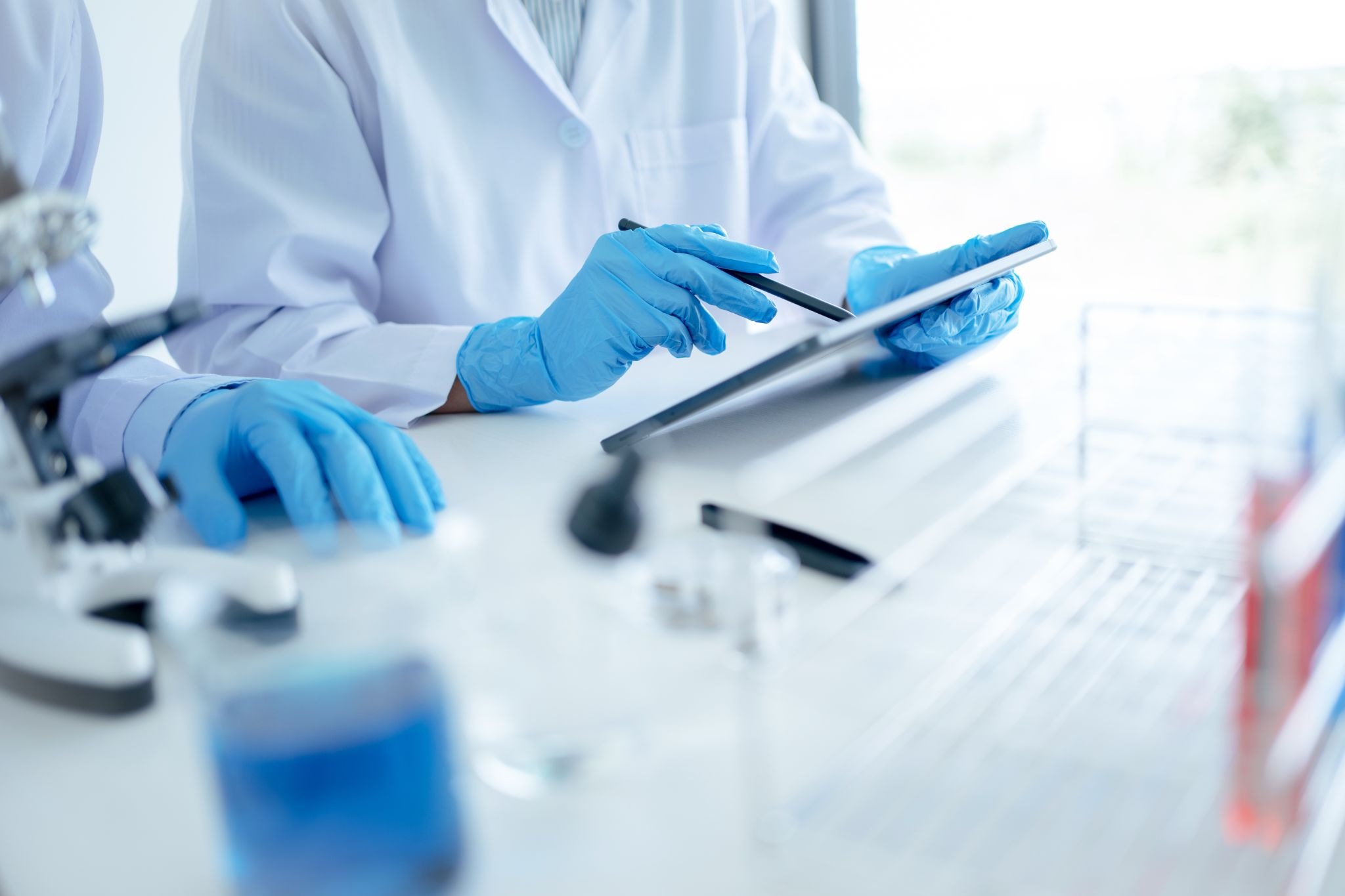
To overcome the limitations of rapid screens, advanced diagnostic laboratories like Monarch Diagnostics utilize Liquid Chromatography-Tandem Mass Spectrometry (LC-MS/MS). Known as the gold standard in toxicology, LC-MS/MS technology isolates specific molecular structures down to microscopic levels.
Definitive testing delivers quantitative results, providing an exact numerical measurement of specific drugs and their metabolites present in a sample. This allows clinicians to:
- Differentiate between true illicit drug use and cross-reactive prescription medications.
- Track whether drug levels in the body are decreasing over time (indicating past use) or increasing (indicating recent exposure).
- Detects more than 120 different legal, illegal, and synthetic substances with 99.9% precision.
Clinical Perspectives: Testing as a Tool for Safety and Documentation
In outpatient behavioral healthcare, clinicians view toxicology testing not as a punitive measure, but as a vital clinical asset that supports patient safety, documents recovery progress, and protects client health.
“Some people going into treatment want it documented that they are clean—so if they ask, I do it. Another big exception is when they are on medications that will harm them if they use… we should probably see if they’re destroying their body by using with their meds.”
— (
punkfr3udon Reddit)
By establishing objective data through definitive testing, clinical teams can safely monitor high-risk medication interactions, give clients verifiable proof of their progress, and ensure that treatment plans adapt directly to each individual’s physical and psychological needs.
Supporting Medication-Assisted Treatment (MAT) and Psychiatric Safety
For clients navigating co-occurring mental health disorders alongside substance use, treatment frequently involves Medication-Assisted Treatment (MAT) or psychiatric medication management. Ensuring that these medications are taken safely and as prescribed is a top clinical priority.
Monitoring Medication Adherence
Advanced lab diagnostics allow medical teams to verify therapeutic adherence. By measuring precise metabolite concentrations, clinicians can confirm that a client is taking their prescribed stabilization medications, such as buprenorphine, naltrexone, or non-addictive psychiatric prescriptions, at the correct dosage.
Preventing Adverse Drug Interactions
Combining non-prescribed substances with psychiatric medications or MAT compounds can lead to dangerous, life-threatening drug interactions. Quantitative toxicology panels give medical providers complete visibility into what is in a client’s system, ensuring that medication adjustments are made with total clinical confidence.
Objective Accountability: Rebuilding Family and Clinical Trust
Addiction often damages personal relationships, leaving behind a wake of broken trust between clients and their loved ones. Rebuilding that trust takes time, consistency, and verifiable proof of progress.
Objective, laboratory-verified toxicology reports eliminate emotional arguments and suspicion. When a client can show their family, employer, or legal team an indisputable, quantitative report confirming their sobriety, it provides undeniable proof of their commitment.
Furthermore, when a toxicology report reveals a slip-up or recurrence of use, high-quality treatment providers do not view it as a failure. Instead, clinicians treat it as a vital health data point. Having clear diagnostic evidence allows the care team to adjust therapeutic intensity immediately, identify new coping mechanisms, and prevent a temporary slip from turning into a full relapse.
High-Quality Outpatient Care at Oasis Treatment Centers
Located in Costa Mesa, California, Oasis Treatment Centers provides comprehensive outpatient care for adults struggling with substance use disorders, trauma, depression, and co-occurring mental health conditions.
Oasis delivers evidence-based care through structured programs:
- Partial Hospitalization Program (PHP): Intensive day treatment providing structured individual and group therapy, trauma-informed care, and medical oversight.
- Intensive Outpatient Program (IOP): Balanced, flexible care that allows clients to integrate back into work, school, and family responsibilities while attending clinical groups during the day.
- Integrative Dual Diagnosis Care: Addressing underlying trauma and mood disorders using Cognitive Behavioral Therapy (CBT), Dialectical Behavior Therapy (DBT), EMDR, and holistic wellness modalities.
To maintain the highest standards of safety across all outpatient levels of care, Oasis Treatment Centers prioritizes rigorous clinical oversight, individual case management, and objective progress tracking.
Precision Diagnostics with Monarch Diagnostics
Based in Irvine, California, Monarch Diagnostics is a leading diagnostic laboratory specializing in high-complexity toxicology, clinical bloodwork, and specialized testing panels.
Monarch Diagnostics supports behavioral health providers and addiction treatment facilities across the nation by delivering:
- State-of-the-Art Mass Spectrometry: Utilizing advanced LC-MS/MS technology to provide definitive, quantitative confirmation for over 120 prescription, non-prescription, and synthetic substances.
- Rapid Turnaround Times: Delivering same-day screening results and 24-to-48-hour laboratory confirmations so clinical teams can make timely, informed treatment decisions.
- Custom Clinical Panels: Tailoring toxicology panels specifically to meet the unique clinical needs of behavioral health centers and psychiatric providers.
- Dedicated Account Support: Pairing treatment providers with licensed clinical consultants and dedicated account managers to ensure seamless reporting and data interpretation.
Frequently Asked Questions (FAQ)
Why is advanced toxicology testing necessary in outpatient addiction rehab?
Outpatient recovery gives clients the independence to live at home while attending daily therapy. Advanced toxicology testing provides objective clinical data that verifies sobriety, ensures medication safety, and helps care teams catch slip-ups early so treatment plans can be adjusted immediately.
What is the difference between a rapid urine screen and a lab confirmation?
A rapid urine screen is an instant qualitative test that gives a quick positive/negative result, but it can yield false positives from prescription or over-the-counter drugs. A laboratory confirmation using LC-MS/MS technology is a quantitative test that isolates the exact substance and its precise numerical concentration, providing 100% definitive accuracy.
How do custom toxicology panels help with psychiatric medication management?
Custom toxicology panels allow medical providers to track whether a client is taking their prescribed psychiatric or MAT medications at therapeutic levels. It also alerts clinicians to any non-prescribed substances that could cause dangerous physical or psychological interactions with prescribed drugs.
Does health insurance cover laboratory toxicology testing during rehab?
Yes. Medically necessary toxicology screening and laboratory diagnostic confirmations ordered by a licensed healthcare provider as part of a formal addiction or mental health treatment plan are typically covered under major behavioral health insurance policies.
Start Your Path to Safe, Evidence-Based Recovery
The journey through outpatient recovery requires a delicate balance of personal freedom, therapeutic support, and medical accountability. By incorporating advanced toxicology testing into clinical workflows, treatment providers elevate client safety, protect medication management protocols, and empower individuals to rebuild trust in their daily lives.
When high-quality treatment centers like Oasis Treatment Centers combine evidence-based therapy with the diagnostic precision of accredited laboratories like Monarch Diagnostics, clients receive the comprehensive, data-driven support needed to achieve lasting sobriety and wellness.