
Many people struggling with cocaine addiction do not fit the stereotypical image of someone “falling apart.” They may still go to work every day, maintain relationships, pay bills, socialize, or appear successful on the outside. Because of this, high-functioning cocaine addiction often goes unnoticed for months or even years—both by others and by the person struggling themselves.
If you’ve found yourself asking, “Why can’t I stop using cocaine even though my life still looks okay?” you are far from alone. Cocaine addiction often develops quietly and gradually, especially among high-achieving professionals, business owners, parents, or individuals living under chronic stress. Over time, what may begin as occasional recreational use or a way to stay energized can evolve into chemical dependence, compulsive behavior, and an exhausting cycle that feels impossible to break on your own.
At Oasis Treatment Centers in Costa Mesa, California, we work with many individuals who appear outwardly successful while privately battling addiction, anxiety, burnout, depression, or emotional exhaustion. In this guide, we’ll explain why cocaine addiction can be difficult to recognize, why quitting feels so hard even when life still “looks fine,” and how professional treatment can help you regain control before things become more severe.
What Is High-Functioning Cocaine Addiction?

High-functioning cocaine addiction refers to a pattern where someone continues managing major daily responsibilities while struggling with ongoing, compulsive cocaine use. Unlike severe late-stage addiction where external structures have collapsed, high-functioning addiction remains hidden because the individual continues to perform outwardly.
Someone with high-functioning cocaine addiction may still:
- Maintain a demanding career or business
- Fulfill family obligations and parenting duties
- Perform well academically
- Keep up appearances financially
- Hide their substance use from colleagues, friends, and family
This outward stability frequently creates denial. Many individuals convince themselves that because they haven’t “lost everything,” their cocaine use is still under control. However, addiction is not defined by external consequences alone. It is defined by loss of control, intense cravings, chemical dependency, and the inability to stop despite growing internal distress.
Key Clinical Distinction: High-functioning addiction is an extremely fragile state. While external responsibilities may remain intact for a period, the internal toll—marked by severe anxiety, cardiac stress, sleep deprivation, and emotional burnout—continues to escalate until a crisis occurs.
You May Also Enjoy: Recognizing the Signs of Mental Health Struggles at Different Stages of Life
Why Is Cocaine So Hard to Stop?
Cocaine strongly affects the brain’s dopamine and reward systems. Dopamine is a neurotransmitter associated with pleasure, motivation, confidence, and reward. Cocaine creates an intense but short-lived surge of dopamine, which can temporarily increase:
- Energy
- Confidence
- Focus
- Sociability
- Motivation
- Euphoria
However, the brain quickly adapts to these dopamine spikes. Over time, natural dopamine production becomes disrupted, making everyday life feel emotionally flat, exhausting, or overwhelming without cocaine.
This is one reason many people feel trapped in the cycle. They may no longer use cocaine simply to feel “high.” Instead, they use it to:
- Feel normal
- Get through workdays
- Stay productive
- Escape emotional numbness
- Manage stress
- Combat fatigue
- Avoid depression or anxiety
Eventually, the brain begins associating cocaine with survival, relief, or emotional stability, making cravings feel incredibly powerful.
Signs Your Cocaine Use May Be More Serious Than You Think
Because high-functioning cocaine addiction can be hidden, many individuals overlook warning signs until emotional or physical consequences become severe.
Common signs of cocaine addiction include:
- Repeated unsuccessful attempts to quit
- Using more cocaine than intended
- Intense cravings or obsessive thoughts
- Feeling emotionally drained without cocaine
- Anxiety, panic attacks, or paranoia
- Mood swings or irritability
- Financial secrecy or hidden spending
- Sleep problems or exhaustion
- Using cocaine to cope with stress or burnout
- Neglecting emotional health or relationships
- Using alone or more frequently over time
- Feeling ashamed but unable to stop
Even if your career, finances, or relationships still appear stable, these patterns may indicate a developing substance use disorder.
Why Many Successful People Hide Cocaine Addiction
Many professionals struggling with cocaine addiction feel intense shame because their lives appear successful externally. They may believe:
- “I should be able to control this.”
- “I don’t look like someone with addiction.”
- “No one would understand.”
- “If I ask for help, I’ll lose everything.”
- “I’m functioning, so maybe it’s not that bad.”
This mindset often delays treatment until emotional burnout, mental health symptoms, or serious consequences begin escalating.
In reality, many people with cocaine addiction are highly intelligent, driven, and high-achieving individuals who are using substances to cope with overwhelming internal pressure.
You do not have to wait for your life to completely fall apart before seeking help. Oasis Treatment Centers offers confidential outpatient addiction treatment in Orange County designed for individuals who want support while continuing to manage work, school, or family responsibilities. Contact us today.
Cocaine Addiction and Mental Health Are Often Connected
Many individuals struggling with cocaine addiction are also dealing with untreated mental health conditions. Cocaine may temporarily mask emotional pain, insecurity, trauma, anxiety, or depression, but over time it often worsens those symptoms significantly.
Common co-occurring conditions include:
- Anxiety disorders
- Depression
- PTSD or unresolved trauma
- Panic attacks
- Burnout and chronic stress
- ADHD
- Mood disorders
At Oasis Treatment Centers, we provide dual diagnosis treatment that addresses both substance use and mental health together because lasting recovery often requires treating the root emotional issues driving addiction.
You May Also Enjoy: 5 Signs You Need Dual Diagnosis Treatment in Orange County
What Happens If Cocaine Addiction Goes Untreated?
Even when life appears stable on the surface, untreated cocaine addiction often progresses over time. The emotional and physical strain of maintaining appearances while privately struggling can become exhausting.
Untreated cocaine addiction may eventually lead to:
- Severe anxiety or panic attacks
- Depression and emotional numbness
- Relationship breakdowns
- Isolation
- Financial instability
- Sleep deprivation
- Burnout
- Increased cocaine tolerance
- Risky decision-making
- Heart complications
- Career consequences
- Overdose risk
Many individuals describe reaching a point where they feel emotionally disconnected, exhausted, or unable to experience joy without substances.
The earlier treatment begins, the easier it often becomes to interrupt the cycle before more severe consequences occur.
What Does Cocaine Addiction Treatment Actually Look Like?

One reason many people avoid treatment is because they imagine rehab as extreme, isolating, or disruptive. In reality, modern outpatient treatment programs can be flexible, supportive, and personalized around real-life responsibilities.
At Oasis Treatment Centers, treatment may include:
- Cognitive Behavioral Therapy (CBT)
- Group and individual counseling
- Relapse prevention planning
- Life skills training
- Trauma-informed therapy
- Dual diagnosis treatment
- Family involvement
- Continuing care planning
Treatment focuses not only on stopping cocaine use, but also helping individuals rebuild emotional stability, confidence, coping skills, and overall well-being.
Flexible Cocaine Addiction Treatment in Orange County
At Oasis Treatment Centers, we understand that many individuals seeking help are balancing careers, school, parenting responsibilities, or professional obligations. Our outpatient continuum of care allows clients to receive structured treatment while remaining connected to daily life.
Partial Hospitalization Program (PHP)
A highly structured outpatient option providing intensive therapeutic support during early recovery. Because high-functioning cocaine addiction is easily hidden, many individuals overlook critical warning signs until emotional or physical burnout reaches a crisis point.
Common warning signs include:
- Repeated, unsuccessful attempts to cut back or quit
- Using cocaine more frequently or in larger amounts than intended
- Experiencing intense cravings or obsessive thoughts throughout the workday
- Feeling emotionally flat, severely depressed, or exhausted without cocaine
- Developing heightened anxiety, panic attacks, or paranoia
- Financial secrecy, hidden spending, or maintaining secret stashes
- Severe sleep disruption and chronic physical fatigue
- Relying on cocaine to cope with executive stress, burnout, or emotional pressure
- Feeling profound shame or isolation while keeping up a successful public image
Even if your career, finances, or family life appear stable from the outside, these internal patterns signal a severe substance use disorder that requires structured intervention.
Intensive Outpatient Program (IOP)
Flexible daytime treatment allowing clients to continue work, school, or family commitments while receiving ongoing care.
Dual Diagnosis Treatment
Integrated treatment for individuals experiencing both cocaine addiction and mental health challenges such as anxiety, depression, or trauma.
You May Also Enjoy: PHP vs IOP: Choosing the Right Level of Care in Orange County
Why Outpatient Treatment Works for Many Professionals
Many individuals with cocaine addiction delay treatment because they fear stepping away from responsibilities completely. Outpatient treatment provides structure, accountability, therapy, and clinical support without requiring clients to fully pause their lives.
Benefits of outpatient cocaine addiction treatment may include:
- Flexible scheduling
- Continued work or school participation
- Real-world relapse prevention practice
- Ongoing family connection
- Personalized treatment planning
- Gradual reintegration into healthy routines
- Strong peer support
This level of flexibility can make treatment feel more approachable for individuals who may otherwise avoid seeking help.
If cocaine use is affecting your emotional health, relationships, confidence, or peace of mind, support is available. Oasis Treatment Centers provides compassionate outpatient treatment in Costa Mesa designed to help you recover without losing your sense of identity, purpose, or future. Contact us today.
Why Recovery Is About More Than Just Quitting Cocaine
Recovery is not simply about removing a substance. It is about rebuilding emotional health, reconnecting with yourself, improving relationships, and learning healthier ways to cope with stress, pressure, and difficult emotions.
Many clients discover that once cocaine is removed, they finally begin addressing:
- Chronic stress
- Anxiety
- Burnout
- Trauma
- Low self-esteem
- Perfectionism
- Emotional exhaustion
This deeper healing process is often what creates sustainable long-term recovery rather than temporary sobriety alone.
About Oasis Treatment Centers
Oasis Treatment Centers is an outpatient addiction treatment provider located in Costa Mesa, California, serving individuals and families throughout Orange County. We specialize in evidence-based treatment for alcohol addiction, stimulant addiction, cocaine use disorder, opioid addiction, benzodiazepine dependence, polysubstance use, and co-occurring mental health conditions.
Our treatment approach combines:
- Cognitive Behavioral Therapy (CBT)
- Group and individual counseling
- Medication-assisted treatment when appropriate
- Relapse prevention planning
- Family involvement
- Continuing care support
- Whole-person wellness
Every client receives an individualized treatment plan tailored to their personal recovery goals, emotional needs, and lifestyle responsibilities.
Frequently Asked Questions About Cocaine Addiction
Can someone be addicted to cocaine and still seem successful?
Yes. Many individuals with cocaine use disorder maintain demanding careers, high incomes, and active family lives while privately battling severe chemical dependency, anxiety, and physical exhaustion.
Why doesn’t Oasis Treatment Centers offer part-time or evening intake options?
Because cocaine alters the brain’s dopamine pathways and creates powerful psychological triggers, low-intensity or part-time care at intake is rarely sufficient to stop active addiction. Our full-day, 65-hour weekly PHP commitment for the first 60 days provides the clinical structure necessary to achieve lasting neurochemical stabilization and prevent relapse.
Do I need overnight inpatient residential rehab for cocaine addiction?
Not necessarily. If you are medically stable and do not require 24/7 medical supervision for acute physical crisis, our full-day PHP offers the exact same clinical depth and therapeutic intensity as residential rehab—6.5 hours a day, 5 days a week—while allowing you to sleep at home or in a supportive sober living environment.
Does Oasis Treatment Centers treat underlying mental health conditions like anxiety or trauma?
Yes. Under the leadership of our Clinical Director, Cindy Connelly, LMFT, we specialize in dual diagnosis care and SAMHSA Trauma-Informed Care standards. We treat cocaine addiction and co-occurring mental health conditions (such as Complex PTSD, depression, and panic disorders) as part of one integrated plan.
Is treatment covered by commercial health insurance?
Yes. Most major commercial health insurance plans cover Partial Hospitalization Programs under mental health and substance use treatment benefits. Our admissions team can complete a free, confidential insurance verification in just a few minutes.
Clinically Reviewed by Cindy Connelly, LMFT & Clinical Director
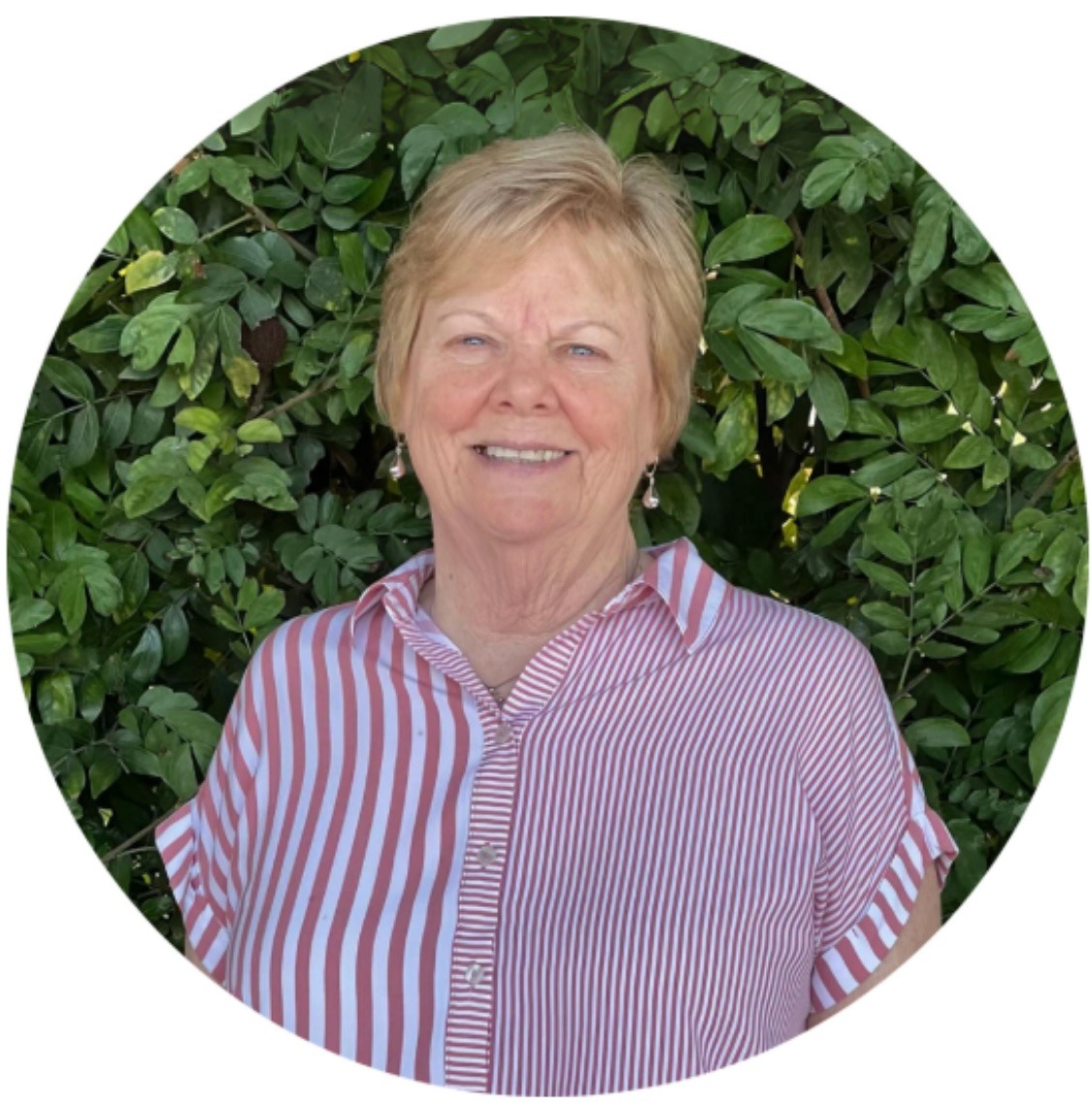
Cindy Connelly serves as the Clinical Director at Oasis Treatment Centers, bringing over two decades of dedicated clinical leadership and a sophisticated understanding of the recovery landscape to Orange County. A Licensed Marriage and Family Therapist (LMFT), Cindy’s path to clinical excellence is marked by a unique transition from a 25-year corporate career to the frontlines of mental health, a move inspired by the life-changing results of her own therapeutic journey.
At Oasis, Cindy specializes in the treatment of Complex PTSD and co-occurring disorders, ensuring that every protocol is guided by SAMHSA Trauma-Informed Care standards. With more than 15 years of membership in the International Society for Traumatic Stress Studies, she keeps Oasis at the cutting edge of trauma and addiction research. By addressing the deep-seated wounds of trauma and grief, Cindy empowers individuals to move past their coping mechanisms and into a life of self-mastery and purpose.